I wanted to keep this week’s infographic in the same vein as some of our earlier posts about knowing what to do when someone steals your content and how to protect your domain name, so this Infographic Wednesday, it’s all about protecting yourself, your site, and your consumer’s information.
Learn What to do if Your WordPress Gets Hacked
WordPress is the most commonly used content management system (CMS) today, so if you’re a business owner who uses WordPress, it’s important to know the signs and what to do if your WordPress gets hacked to not only protect yourself, but your consumers as well. Hackers can steal data and personal information as well as place links within your site pointing to who knows what. The cleanup from a compromised blog could take days, costing you and your business time and money, so learn how to detect possible signs of website hacking and how you can prevent it.
Signs Your Site Has Been Compromised
Some of the most common signs your site has been hacked include:
- Home page has been defaced.
- You no longer have admin access to your site.
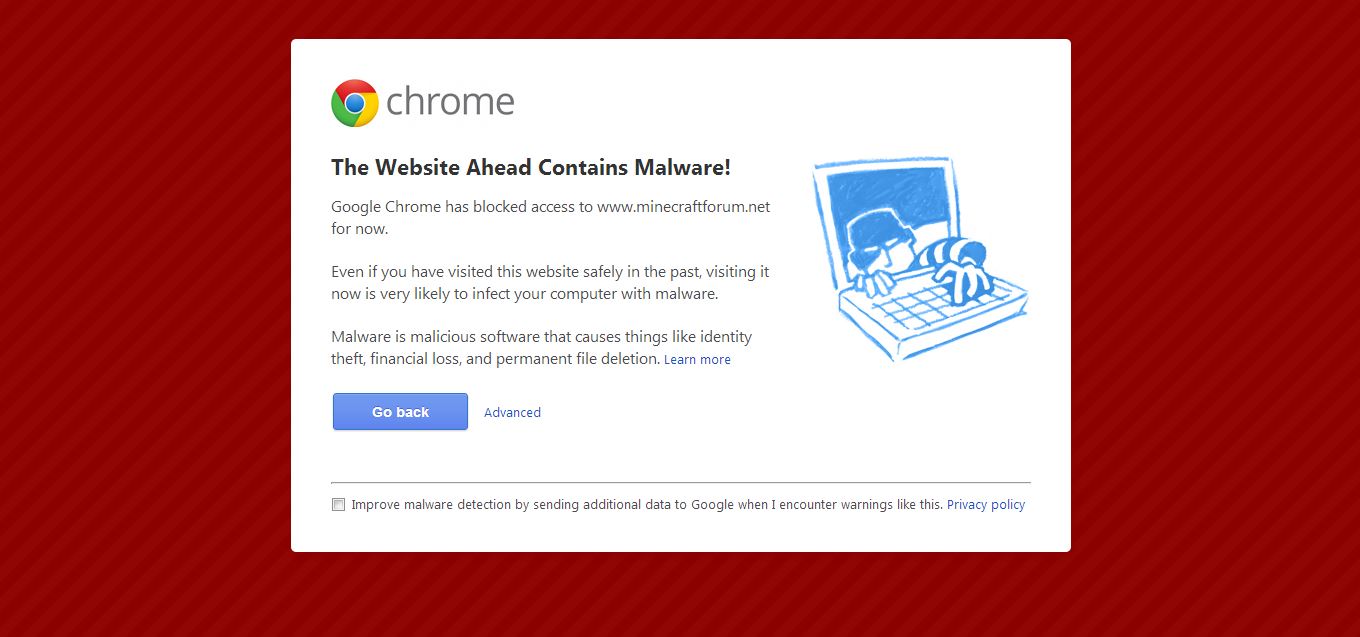
- A red Google Warning page comes up when accessing your site.
- You receive warnings from your anti-virus software.
What Can You Do?
If you suspect your WordPress has been hacked, WordPress recommends you take these steps. I would also recommend you change your username from “admin” to a unique username as well as bulk up your password security. According to SplashData, some of the most commonly used passwords in 2012 included:
- password
- 123456
- 12345678
- abc123
- qwerty
- monkey
- letmein
- dragon
- 111111
- baseball
- welcome
- jesus
- ninja
It also showed that 1 in 10 people still use 1234 as their banking pin number. Scary stuff. Protect yourself by using different passwords for different sites, not the same password for every program you use. It’s also recommended you use a mix of characters, letters, and numbers and remember, the longer and more random your password, the better. And another option that should be used is to use a GDPR consultancy as they will be able to guide you very well on what needs to be done.